

Robotic-arm-assisted versus conventional total knee replacement (RACER-Knee): a pragmatic, multicentre, participant-masked and assessor-masked, superiority, randomised controlled trial
Robotic systems are being increasingly used to assist with total knee replacement (TKR). Whether robotic systems improve outcomes after TKR is uncertain. We aimed to ascertain the clinical efficacy and cost-effectiveness of the Mako robotic-arm system compared with conventional instruments for TKR.
7 Things That Can Make Your Knee Give Out
Knee instability can be caused by different issues, including ligament tears, arthritis, and nerve damage. It may be the only symptom you have, or your knee may also hurt, pop, bruise, or swell.
Hip Abduction Exercises to Strengthen and Tone Your Body
Strengthening your hip abductors can prevent injuries and improve mobility. These exercises focus on moving the leg outward to effectively engage and tone the muscles around the hip.
Labral preservation and baseline osteoarthritis influence long-term degenerative outcomes after hip arthroscopy for femoroacetabular impingement syndrome: a systematic review and meta-analysis
The ligamentum teres (LT) is frequently found injured during hip arthroscopy in young, active patients, yet its functional relevance remains uncertain. Although not a primary stabilizer, the LT may contribute to intra-articular pain through nociceptive and proprioceptive mechanisms.
Arthroscopic Treatment of Patellar Clunk Syndrome After Total Knee Arthroplasty
Patellar clunk syndrome is a complication of total knee arthroplasty. Surgical treatment with arthroscopic irrigation and debridement and lysis of adhesions is often required when conservative treatment fails. This study examines patient improvement following arthroscopic treatment of patellar clunk.
Healthcare News
Locations & Directions
-

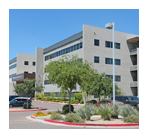
2940 E Banner Gateway Dr.
Suite 200
Gilbert, AZ 85234
Get Directions -
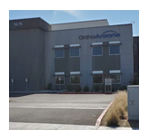
1675 E Melrose St.
Suite 101
Gilbert, AZ 85297
Get Directions
Phone:
Fax: (480) 833-2136
Fax: (480) 833-2136
Monday to Thursday : 8:00 AM - 5:00 PM
Friday : 8:00 AM - 12:00 PM
Saturday & Sunday : Closed
Friday : 8:00 AM - 12:00 PM
Saturday & Sunday : Closed