

Infection Risk No Higher for Total Hip Arthroplasty With Robotics, Navigation
Use of computer navigation (CN) or robotic assistance (RA) is not associated with an increased risk for periprosthetic joint infection (PJI) within 90 days after total hip arthroplasty (THA), according to a study published online Feb. 7 in the Journal of Bone & Joint Surgery.
Transforming knee replacement surgery using real-time data
Each year, more than 800,000 knee replacement procedures are performed in the US alone. For every patient encounter, untapped data is currently lost that could be used to better understand the pathway and enhance patient outcomes. Now, a unique collaboration between Smith+Nephew and Huma Therapeutics is collecting, evaluating, and applying that data to lower costs and enhance patient care.
Long-acting opioids may be unnecessary in study of total knee replacement
In a new study, researchers have found that replacing long-acting with immediate-release opioids after total knee replacement surgery resulted in comparable pain management but less nausea-medication usage and less need for residential rehabilitation after hospital discharge.
New HSS Studies Highlight the Benefits of Robotic-Assisted Joint Replacement Surgery
The use of robotics is becoming increasingly common in joint replacement, but more research is needed to quantify its benefits. HSS investigators presented two retrospective studies at the American Academy of Orthopaedic Surgeons (AAOS) Annual Meeting in San Francisco analyzing outcomes in both knee and hip replacement surgeries performed with robotic assistance.
Physical Therapy After Knee Replacement
A post-operative protocol is a guideline that your surgeon and physical therapist (PT) may follow. It ensures you are making progress after your knee surgery. The TKR protocol gives you and your PT a framework for building your rehabilitation program.
Healthcare News
Locations & Directions
-

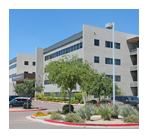
2940 E Banner Gateway Dr.
Suite 200
Gilbert, AZ 85234
Get Directions -
1675 E Melrose St.
Suite 101
Gilbert, AZ 85297
Get Directions

Phone: (602) 648-5444
Fax: (480) 833-2136
Fax: (480) 833-2136
Monday to Thursday : 8:00 AM - 5:00 PM
Friday : 8:00 AM - 12:00 PM
Saturday & Sunday : Closed
Friday : 8:00 AM - 12:00 PM
Saturday & Sunday : Closed